
Words are Like Nutrients
They Seep Into the Soil of Our Schools
With mindful care,
nutrients can turn the most barren soil into fertile ground
And the research is clear:
🌱 what people pay attention to influences
🌱 what they see, which influences
🌱 what they think, which influences
🌱 what they feel, which influences
🌱 what they believe, which influences
🌱 how their respond, which influences
🌱 how their opportunities unfold.
Now Consider This:
How Our Narratives About School Have Shifted Over Time
Because what you nurture is—typically—what grows.
🌱 Cultivate the fruit, and the harvest thrives.
🌱 Tend the weeds, and they spread.
🌱 Neglect your garden, the weeds take over
—and can choke off the very growth you wanted to flourish—
So we must ask:
How are our stories about schools shaping what’s possible for
kids, teachers, and their schools?
Decades ago, schools were rigid, top-down institutions. Since then, they have undergone a quiet
but significant transformation:
🌱 The focus has shifted from memorizing facts to developing real-world skills
🌱 Technology is now woven into everyday learning
🌱 Diversity, inclusion, and equity are gaining ground
🌱 Social-emotional learning and student well-being are finally being prioritized
🌱 Traditional hierarchies are giving way to more collaborative relationships
Yet despite these efforts, public narratives have shifted—
from viewing schools as the foundation of society to seeing them as problems for kids.
See what you think…
Shift From Content to Skills
Then (1990s):
Schools placed a heavy emphasis on rote memorization, standardized content, and “teaching to the test.” Intelligence was primarily viewed as fixed—something you either had or didn’t.
Now:
Education has shifted toward cultivating critical thinking, collaboration, creativity, and adaptability. Ideas such as growth mindset, grit, and identity-based motivation have reshaped our understanding of learning. Competency-based approaches (where students advance by demonstrating mastery rather than by the time they spend in a classroom) and formative assessment (ongoing feedback is used to help both students and teachers adapt) are now central to driving meaningful progress.
Consider Our Narrative…
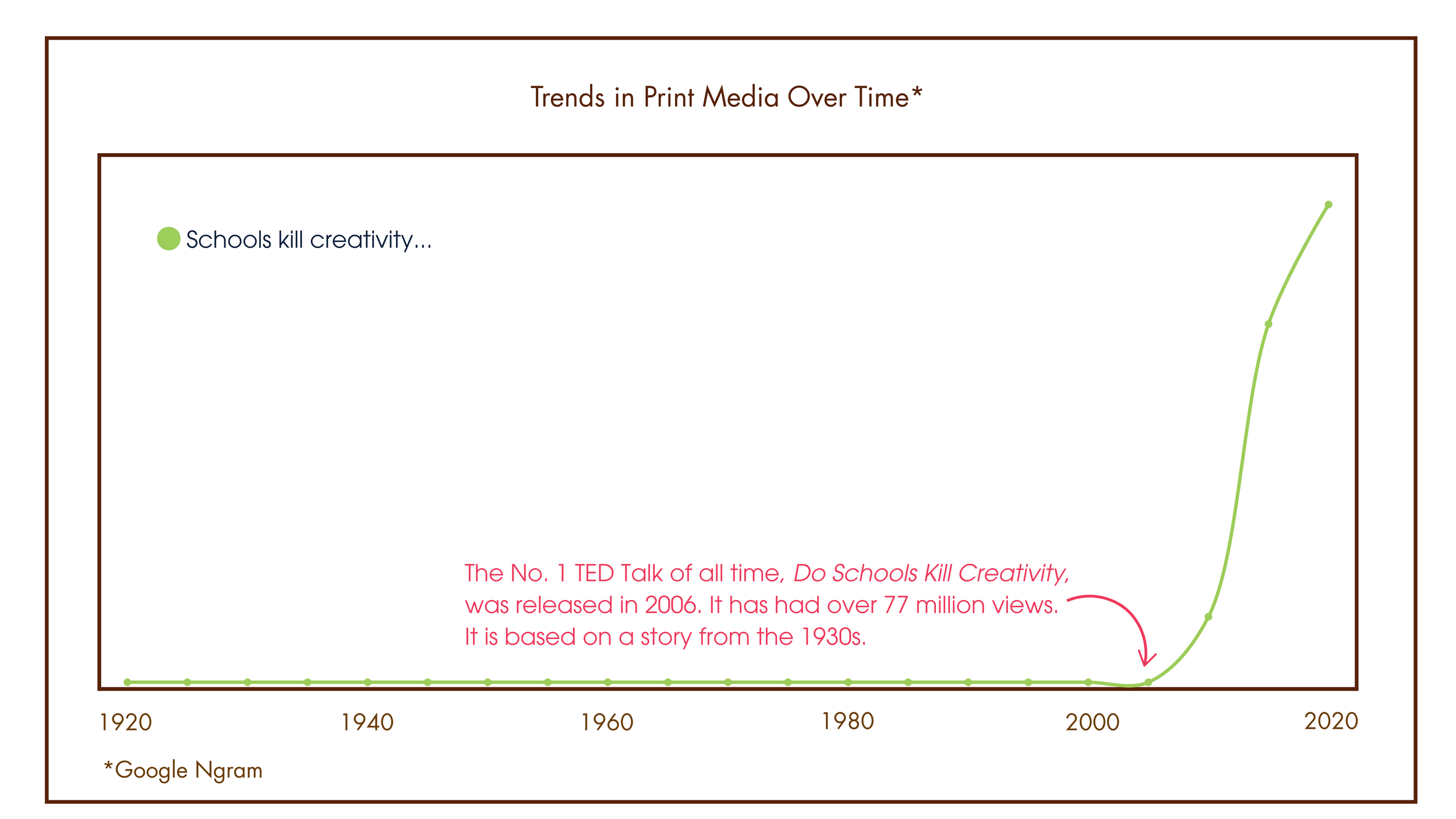
The most-watched TED Talk of all time—Do Schools Kill Creativity?—has been viewed over 77 million times. Released in 2006, it draws on a story from the 1930s. Yet schools today look very different. The question is: are our cultural narratives keeping pace and nurturing the important changes that have begun to take root?
Technology Integration
Then:
Classrooms relied on chalkboards, overhead projectors, and the occasional computer lab—often with dial-up internet.
Now:
Students today learn in tech-rich environments. Laptops or tablets are common, lessons are delivered through smartboards, and cloud-based platforms like Google Classroom keep learning connected beyond school walls. Many schools now include coding, media literacy, AI tools, and even virtual reality as part of the everyday curriculum.
more diverse and inclusive (but also more complex)
Then:
Classrooms offered little focus on inclusion, neurodiversity, or differentiated instruction. Cultural and gender identity were often overlooked or minimized.
Now:
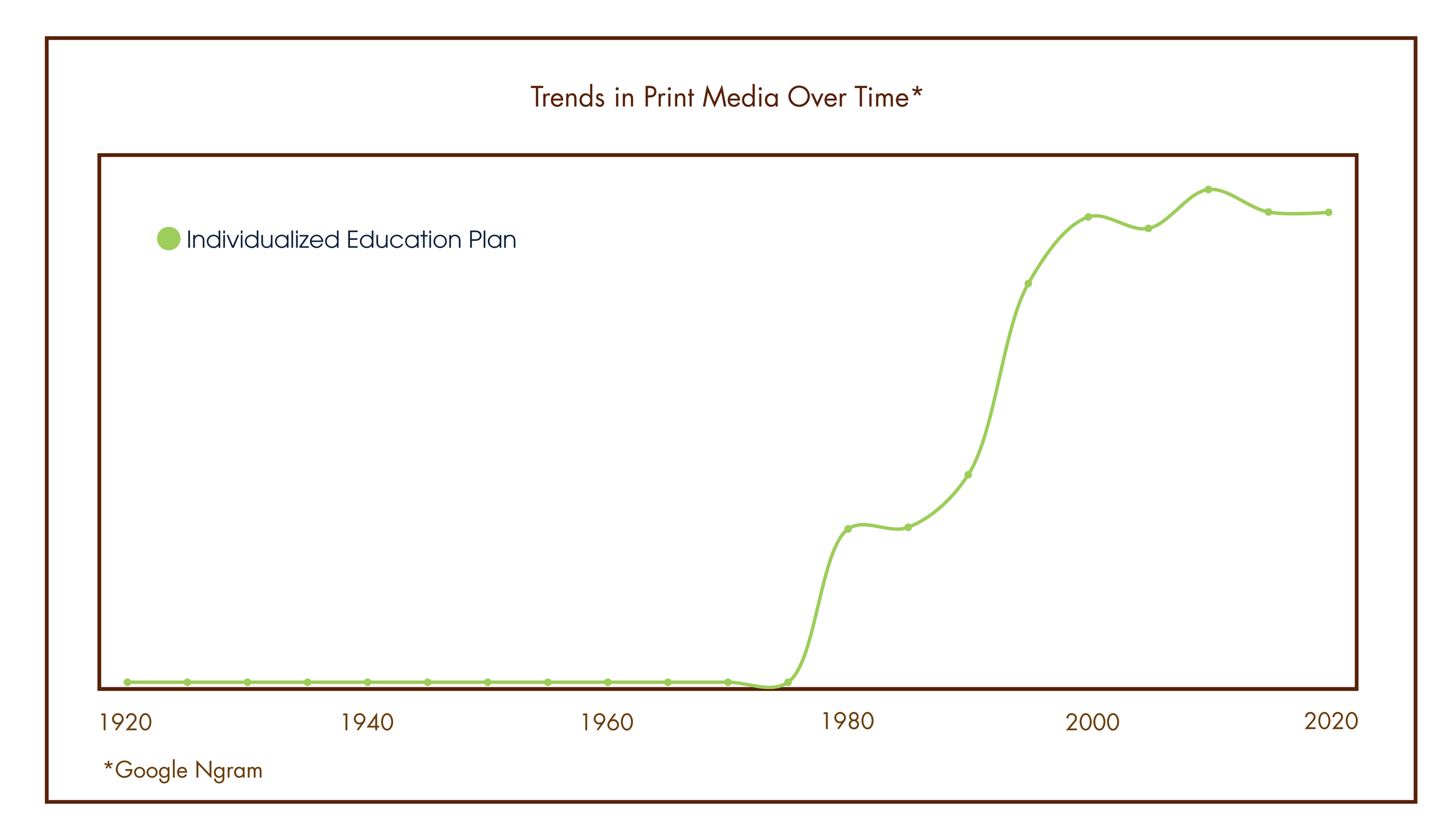
Schools have made meaningful strides toward equity and inclusion, with growing recognition and support for neurodivergent learners. The number of Individualized Education Plans (IEPs) has risen sharply—British Columbia, for example, saw an 83% increase from 2006 to 2022. Yet, during that same period, the number of classes rose by only 8%, highlighting both progress and the new complexities schools must navigate.
Focus on Well-being and Social-Emotional Learning (SEL)
Then:
Academic achievement was the dominant goal. Discipline tended to be punitive, mental health was rarely acknowledged, and emotions were often seen as distractions to suppress rather than signals to understand.
Now:
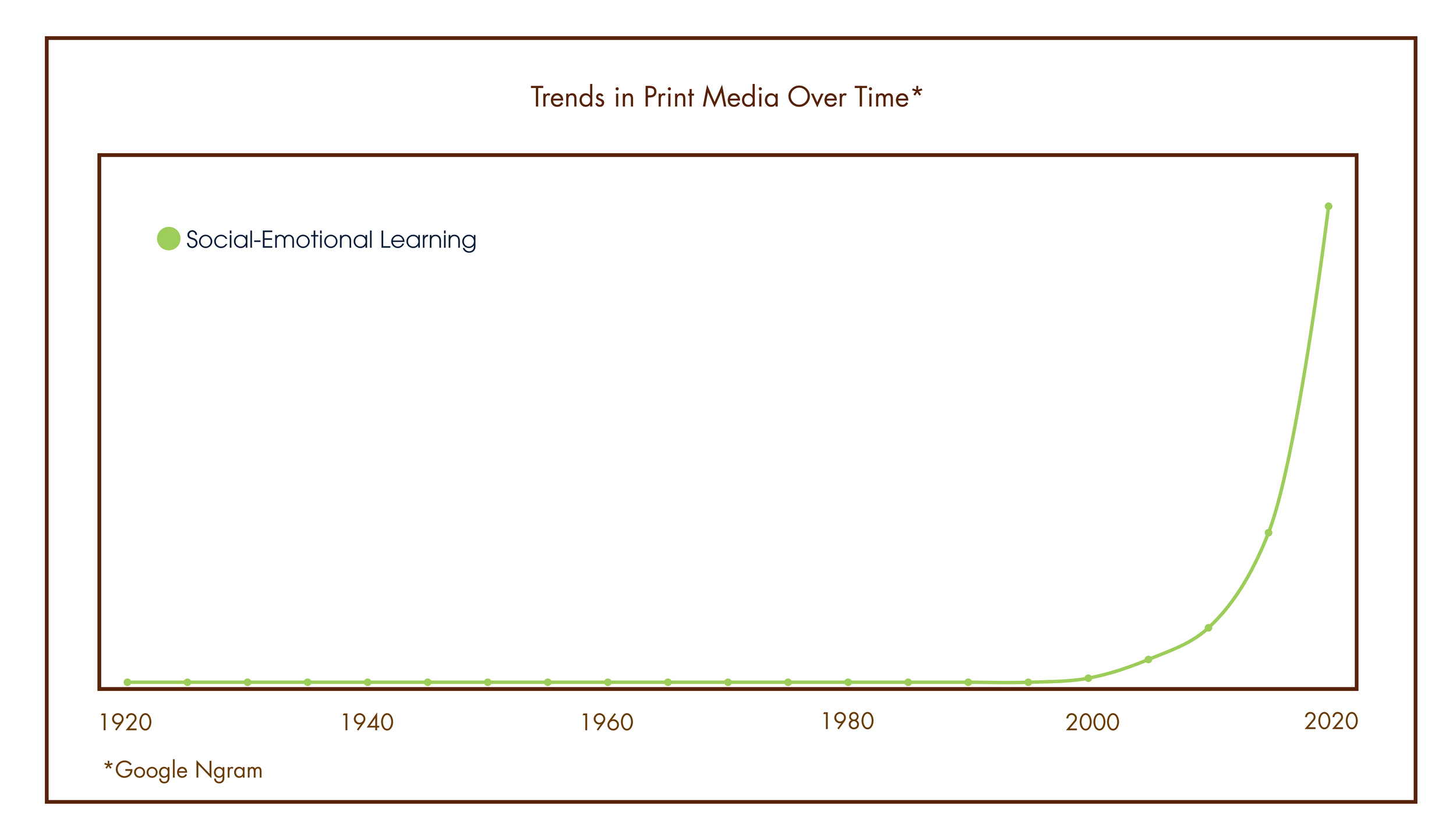
Schools are increasingly integrating social-emotional learning, trauma-informed practices, and positive psychology into the fabric of education. At the same time, they are beginning to address widespread challenges among students—burnout, loneliness, anxiety, and the deep human need for belonging and mattering.
Consider Our Narrative…
The viral video Every Parent, Student, and Teacher Needs to Hear This has been viewed more than 56 million times on Facebook. Its powerful imagery portrays schools as outdated and irrelevant to real-world preparation, suggesting that well-being and social-emotional learning are almost entirely absent from classrooms. But is this narrative true? Or does it fuel the weeds that limit progress?
Changes in relationships and power dynamics
Then:
Schools operated as top-down hierarchies. Teachers held near-absolute authority, parent involvement was largely limited to the occasional conference, and students had little voice or choice in their learning.
Now:
Education has become more collaborative. Student voice is encouraged through project-based learning and personalized pathways. Parents engage more actively—though often more complexly—through digital tools like email, portals, and apps. And students today expect mutual respect—questioning authority more openly and seeking a greater role in shaping their educational experience.
Consider Our Narrative…
The viral video Dear Teacher: Heartfelt Advice for Teachers from Students has been viewed over 65 million times. It powerfully underscores the importance of listening to student voices. While it highlights self-advocacy, it does, however, overlook the opportunity to show how collaboration can strengthen agency through shared problem-solving.
Take this example:
Original message: “Sometimes my mom or dad end up doing all of my homework… Give me homework I can do all by myself.”
Reframed message: “When my homework feels too hard, my parents will help me make a list of what I can do on my own. Together, we can then find ways for me to keep learning. By sharing my struggles and noticing my strengths, I can practice strategies that help me do my best work.”
This shift in narrative moves beyond frustration to collaboration. It models teamwork, reflection, and resilience—the very processes that build mastery, connection, and confidence over time.
Narrative shift: from “School as Foundation” to
“School as a Problem”
Then:
While never perfect, schools were largely seen as gateways to opportunity and advancement.
Now:
Public narratives have become increasingly critical and polarized. In many contexts, trust between schools and families has become frayed, making collaboration difficult—and often at times when it’s most needed.
Consider Our Narrative…
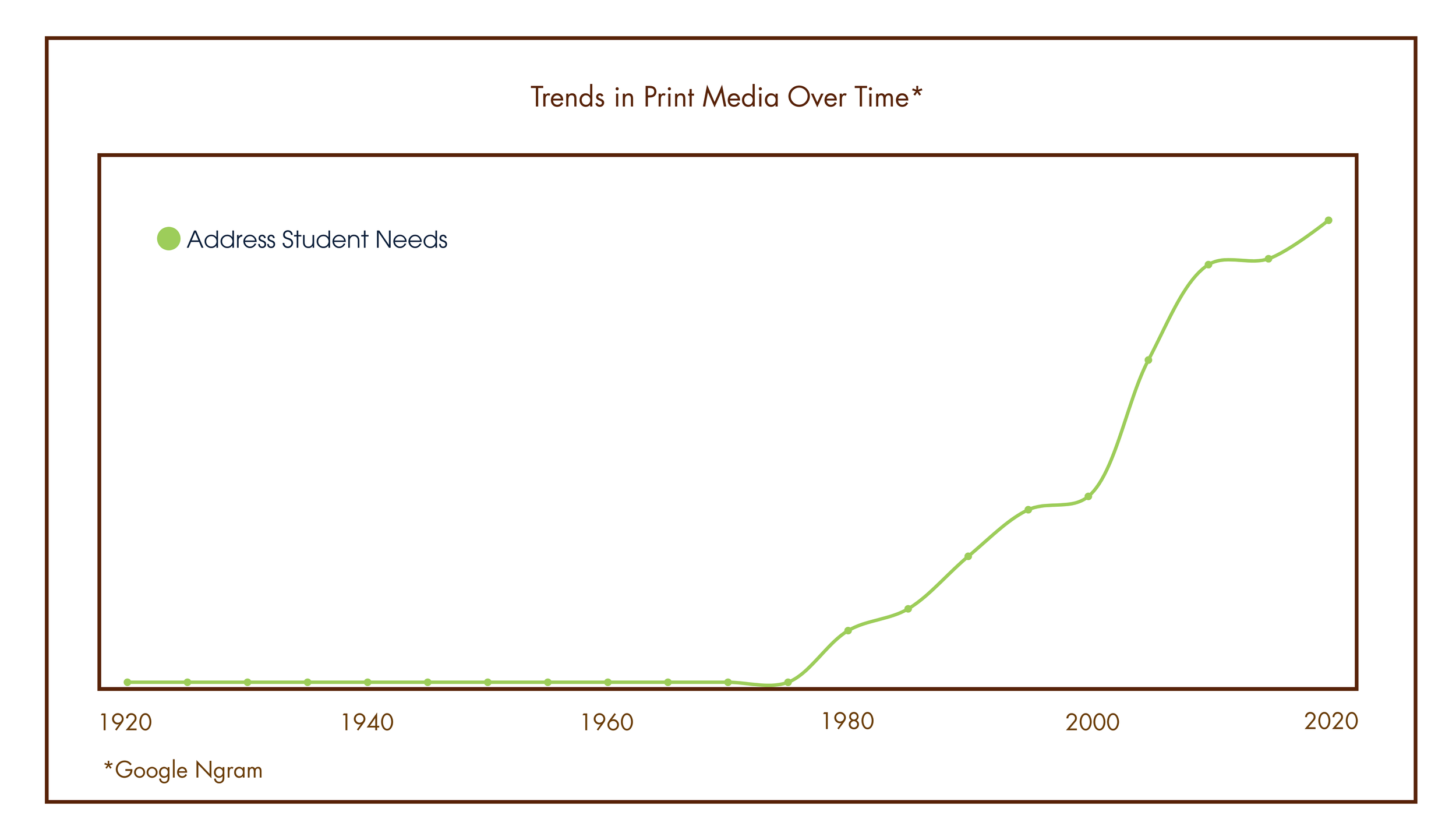
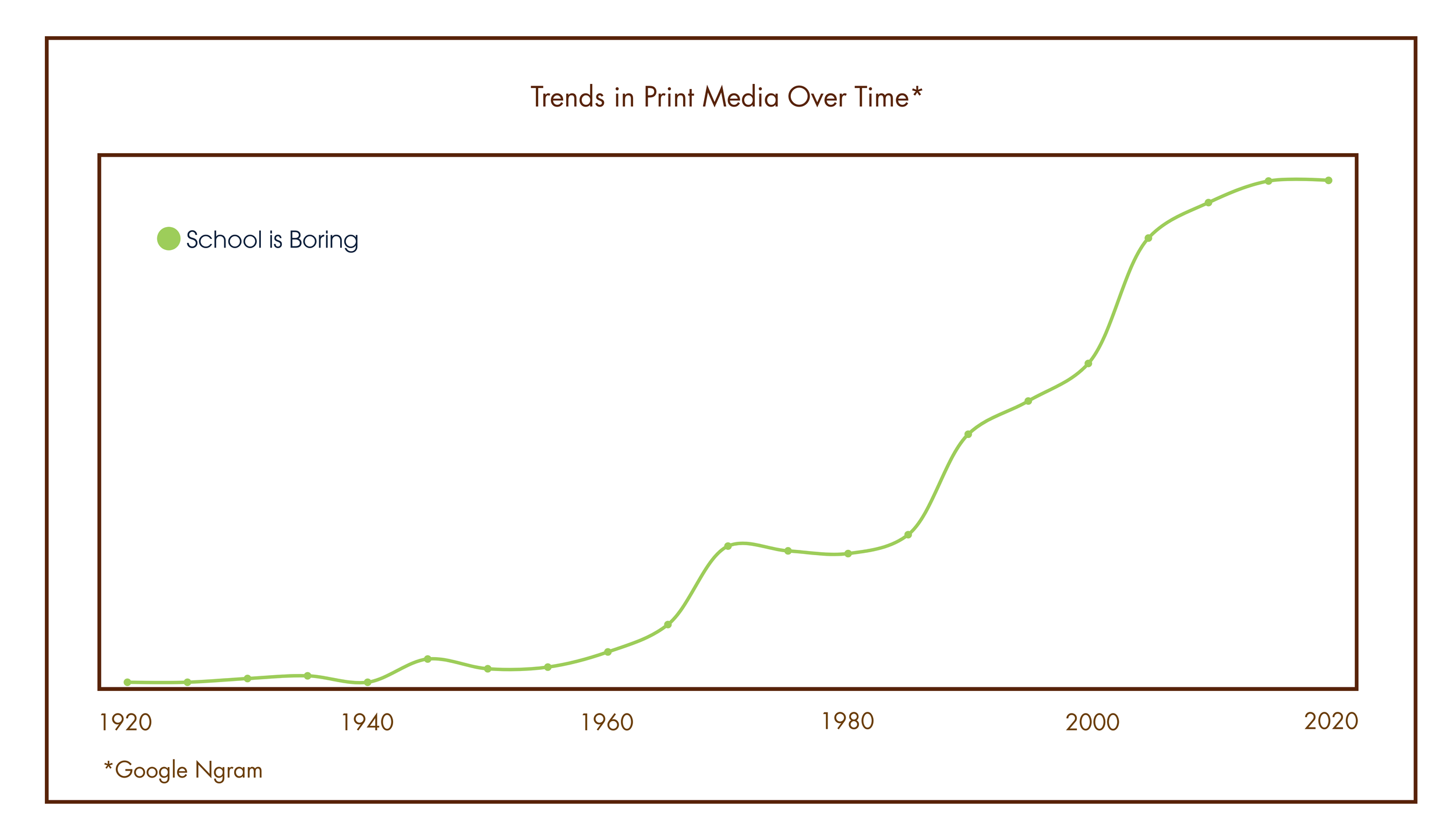
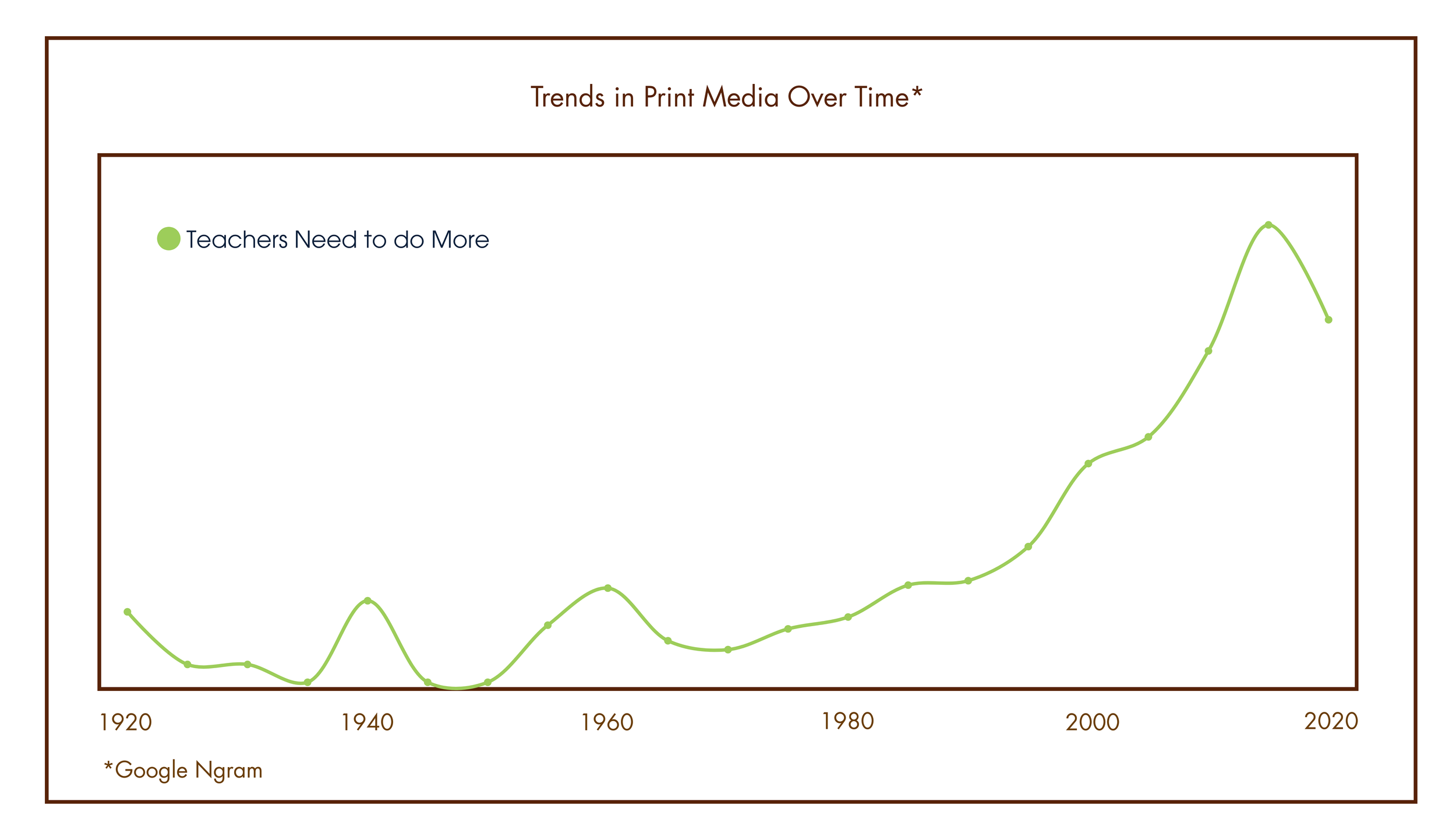
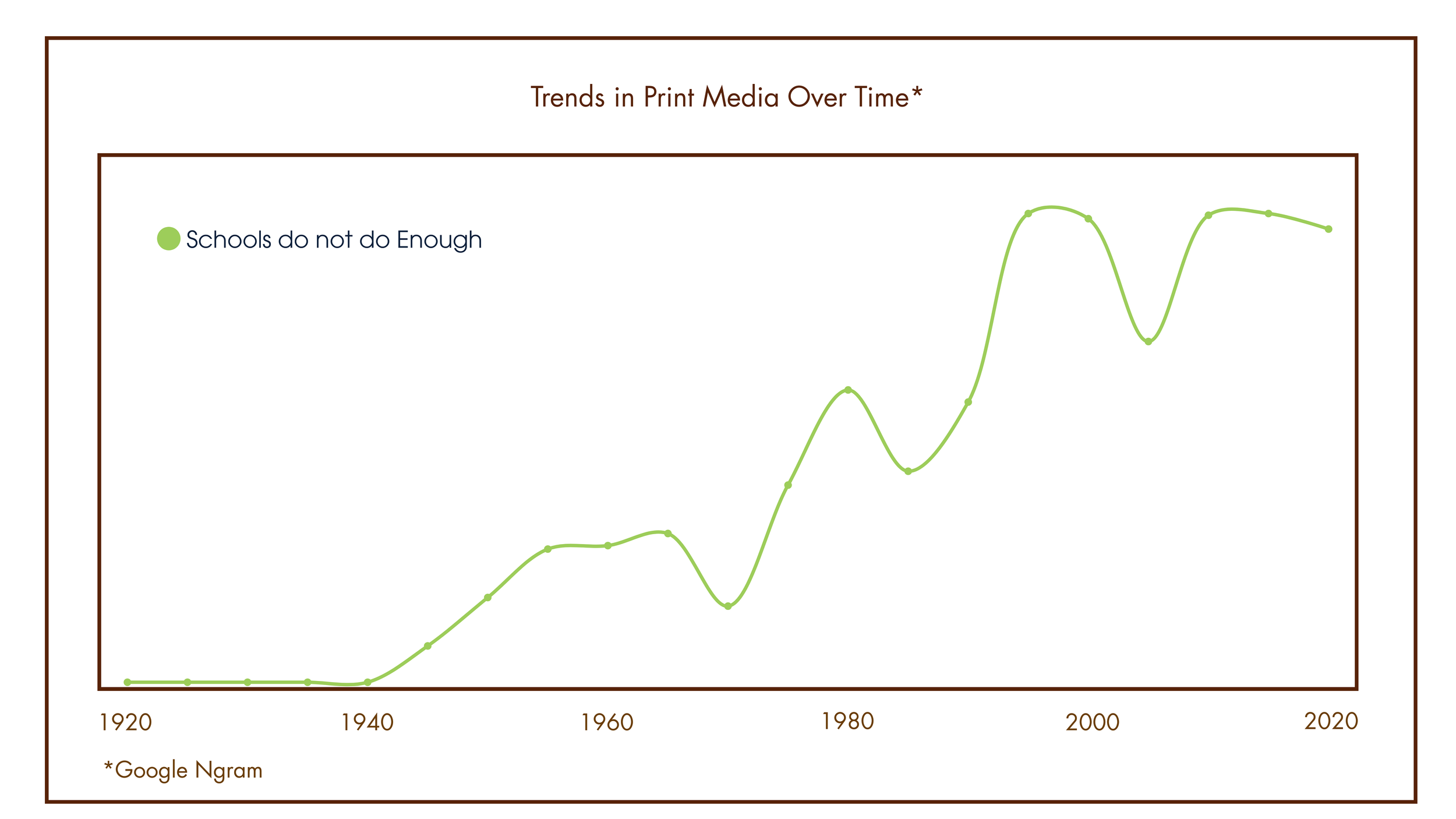
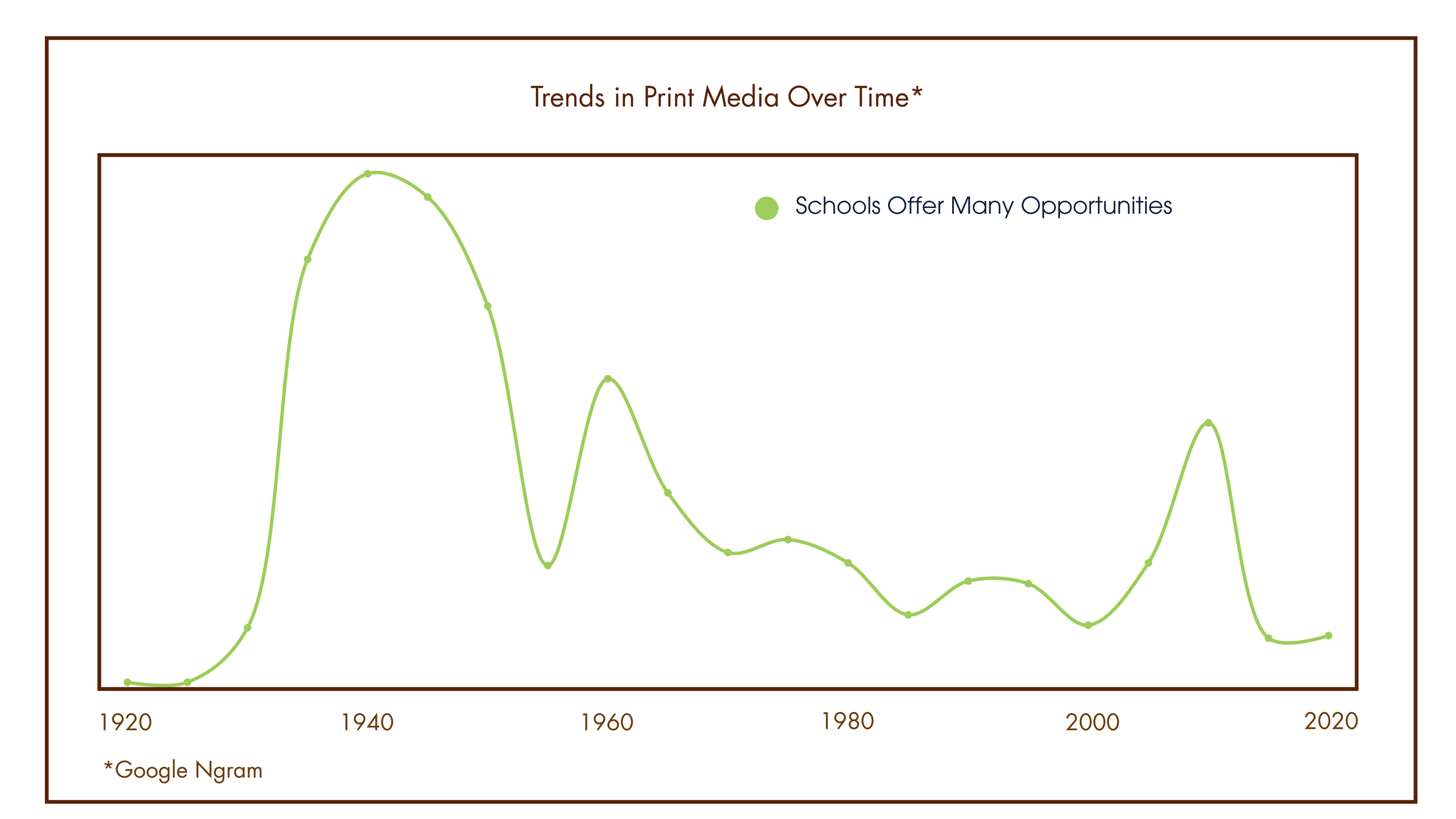
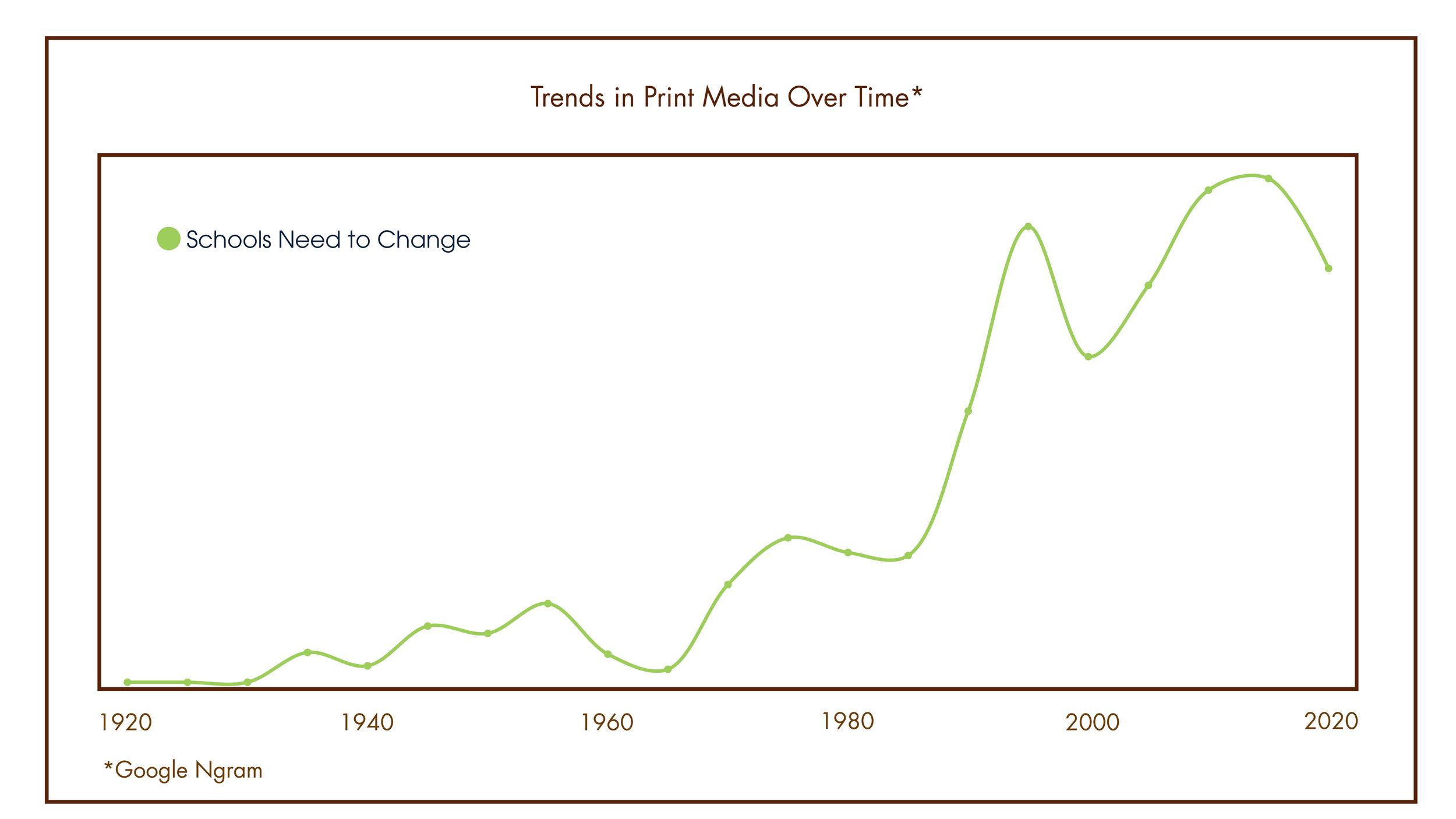
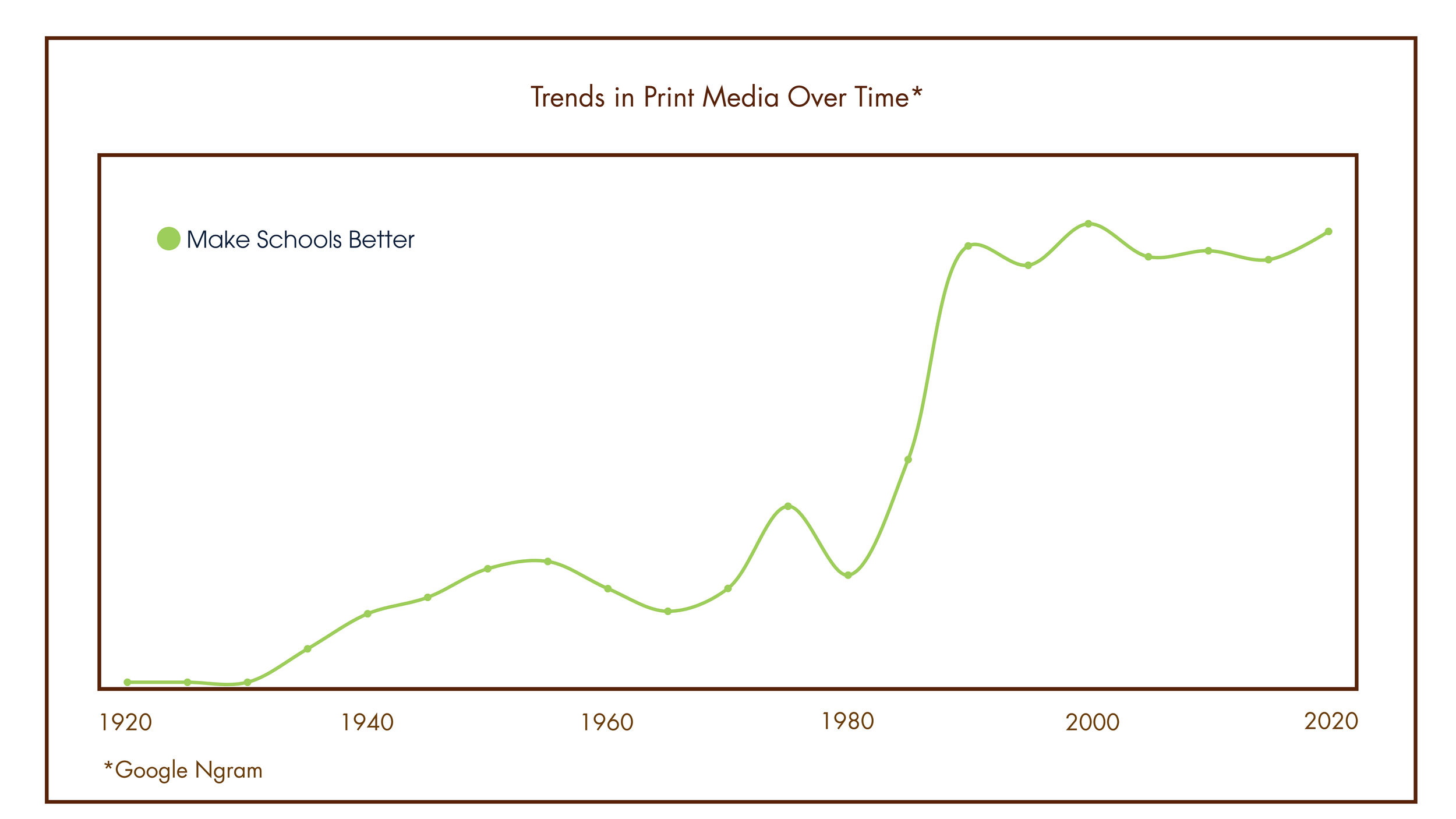
The graphs below highlight how print media has shaped—and shifted—our stories about schools over time. The essential question is this: Do these narratives help students, parents, and teachers develop the deep roots of connection needed to help kids thrive? Or do they unintentionally choke important growth for all stakeholders?
What if, in the Process of
Making Schools Better
we have forgotten to share what is good.
This matters because a student’s engagement in school, motivation, and self-confidence are shaped not just by
what happens in the classroom, but also by how they interpret their experiences
Reimagine Schools…
where our narratives (garden sheds) are full of strategies, tools, and resources (nutrients) so that we can support
all kinds of students (plants)—with different strengths and needs—in various environments
(gardens in different climates).
Reimagine Schools…
where our narratives teach kids how to frame their challenges in ways that
🌱give them reasons to try and
🌱schools worth belonging to.